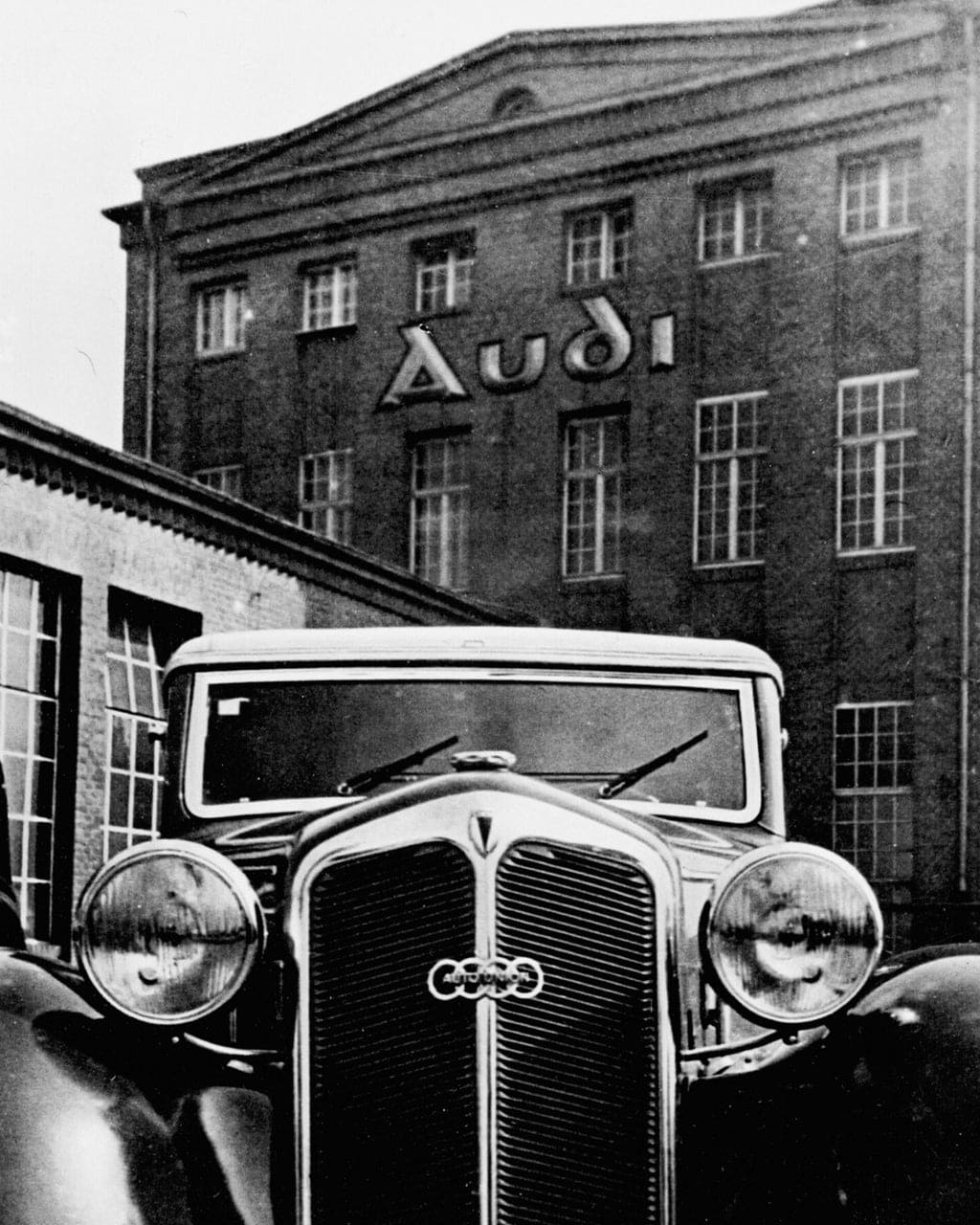
The History of Audi - Early photo in front of factory 1932
The History of Audi
Few names in the automotive world carry the same weight of engineering precision and heritage as Audi. Known today for its sleek design language, advanced quattro all-wheel drive systems, and relentless pursuit of technological advancement, Audi’s story stretches back well over a century—through mergers, world wars, and groundbreaking mechanical evolution. The Audi we recognize today is the result of innovation layered upon innovation, guided by a vision that seamlessly blends performance with luxury.
Early Beginnings: The Horch Foundation (1899–1910)
The history of audi begins: Audi’s roots trace back to one man—August Horch, a German engineer with a passion for crafting superior automobiles. In 1899, he founded Horch & Cie in Cologne, producing early luxury vehicles known for engineering excellence. Despite the company’s potential, disagreements with board members eventually drove Horch out. Determined not to give up his vision, he sought to establish a new brand. However, trademark restrictions prevented him from using his own surname again, leading to one of the most creative pivots in automotive naming history.
Horch translated his last name—meaning “listen”—into Latin. The result was Audi.
In 1910, Audi Automobilwerke GmbH officially came to life, and the first car bearing the Audi name, the Audi Type A, rolled onto the roads. From day one, Audi positioned itself as a manufacturer of refined, high-quality vehicles.
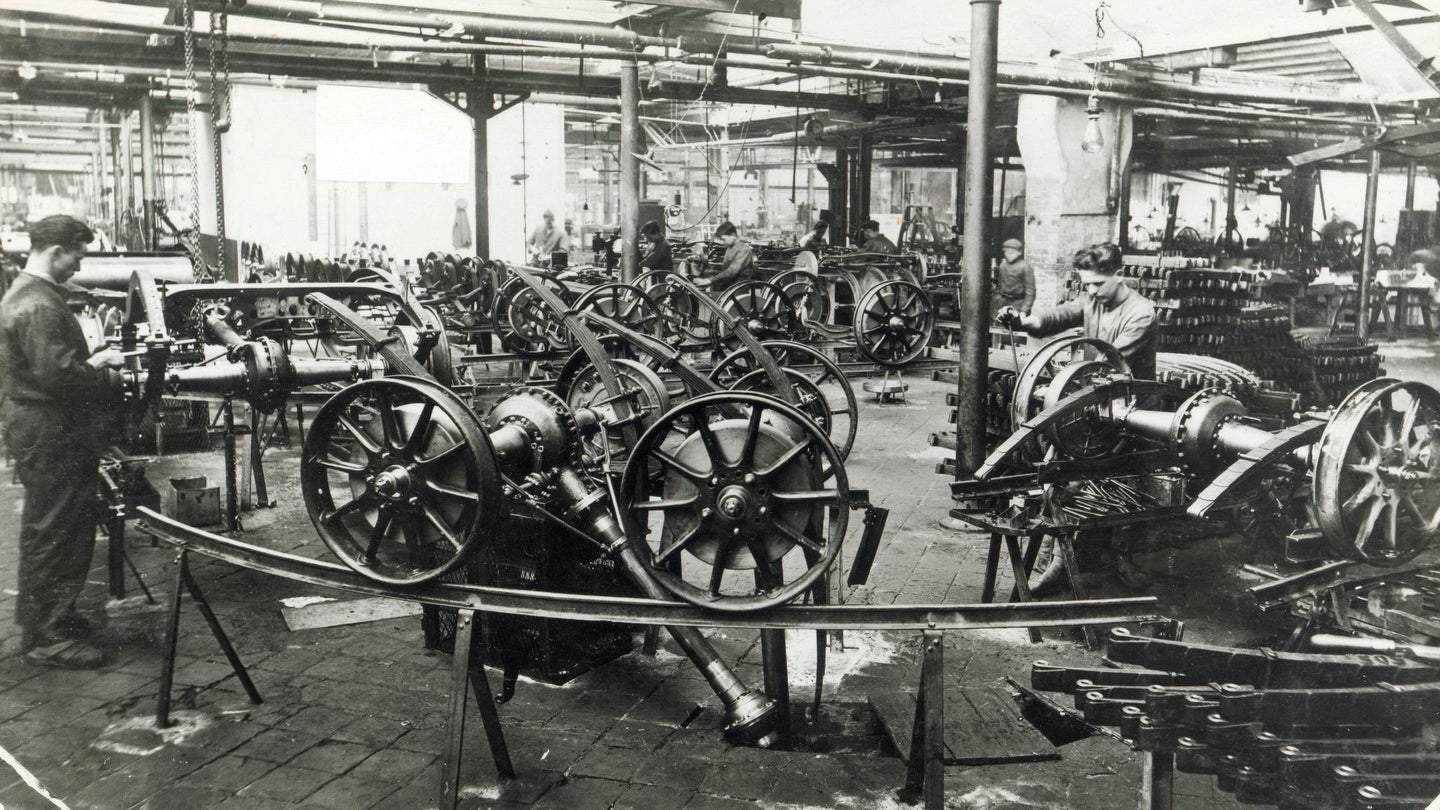
Early Audi factory in Colonge.
Racing Success and Engineering Reputation (1910–1930)
Audi quickly proved itself in motorsport, an arena that would shape its engineering philosophy for generations. The company gained prestige after consecutive victories at the grueling Austrian Alpine Rally—not once, but four years running. These early triumphs boosted Audi’s reputation for durability, strength, and technical superiority.
By the 1920s, Audi had begun experimenting with innovative technologies such as left-hand drive layouts and advanced braking systems—features considered highly progressive at the time. But success would soon meet turbulence as the global economy shifted.
Auto Union and the Four Rings (1932–1945)
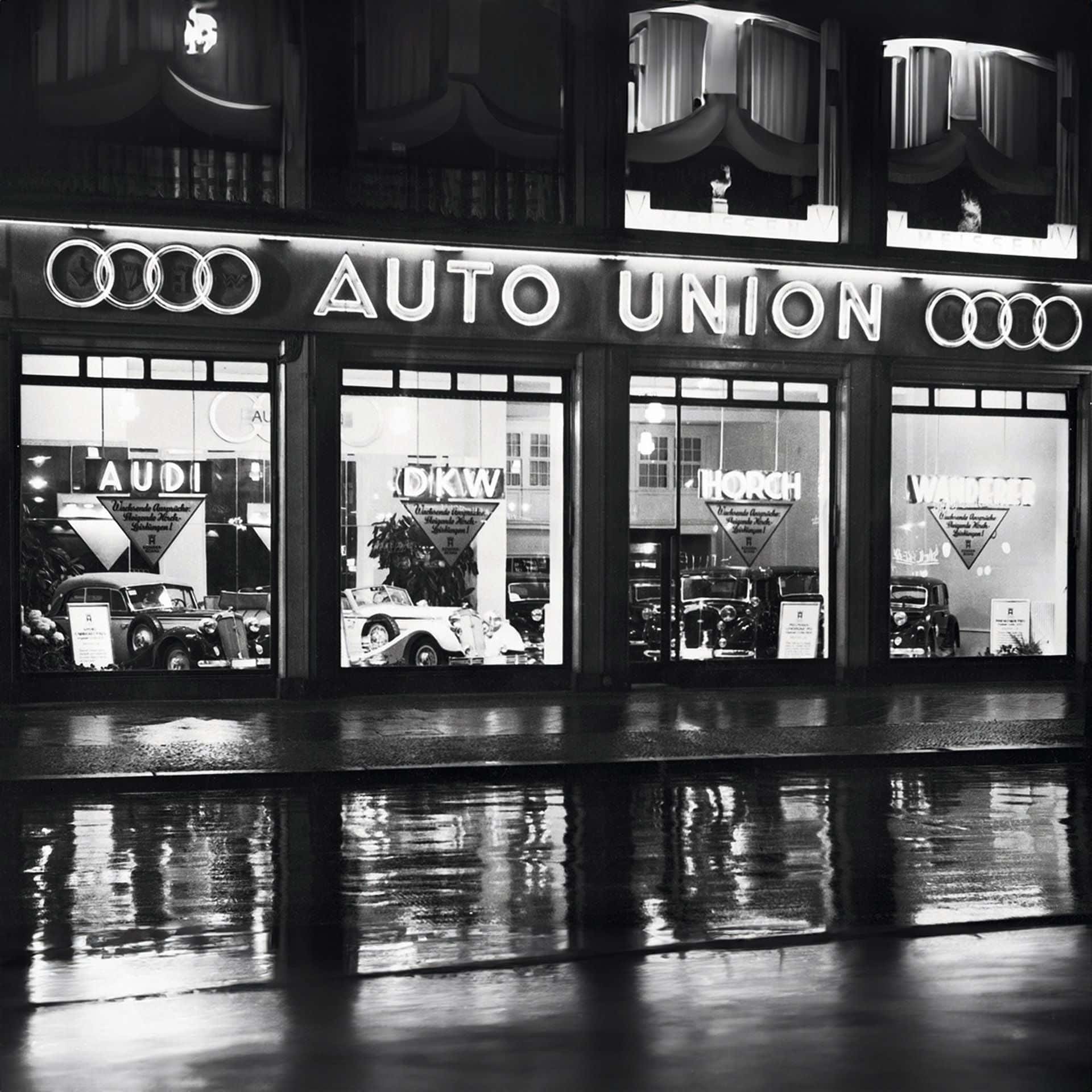
Facing financial pressure during the Great Depression, Audi merged with three other automakers: Horch, DKW, and Wanderer. This newly formed conglomerate became Auto Union AG, and to represent the unity of four brands, the iconic four interlocked rings were created—a symbol now recognized around the world.
During the 1930s, Auto Union revolutionized motorsport with its supercharged Silver Arrow race cars, machines so advanced that they pushed aerodynamic, speed, and power boundaries for the entire industry. This period remains one of the most legendary chapters in Audi’s competition legacy.
Post-War Rebirth and the Road to Modern Audi (1945–1960s)
World War II brought production to a halt, factories were destroyed, and Auto Union was displaced. Many considered the company finished. Yet in 1949, Auto Union reestablished itself in Ingolstadt, Germany—Audi’s future home. The brand slowly rebuilt with practical, small-displacement vehicles under the DKW name.
Everything changed in the 1960s. Volkswagen acquired Auto Union and revived the Audi nameplate. In 1965, the Audi F103 series signaled a rebirth—sleek, modern, and powered by advanced four-stroke engines instead of the two-stroke systems of previous decades.
Audi was no longer just a revived marque—it was a rising force.
The Technological Revolution (1970s–1990s)
The next major leap came in 1980 when Audi unveiled the quattro, a rally-inspired all-wheel drive system that forever reshaped performance engineering. The Audi Quattro coupe dominated the World Rally Championship, showcasing traction capabilities no competitor could match. Suddenly, all-wheel drive wasn't just for off-road vehicles—it was a tool for high-performance driving.
Throughout the 1980s and 1990s, Audi expanded into luxury, refining its interior craftsmanship while continuing to push boundaries in engine performance, lightweight aluminum construction, and aerodynamic design. The modern Audi identity was fully taking shape—progressive, premium, and purposeful.
Audi Today: Progress That Never Stops
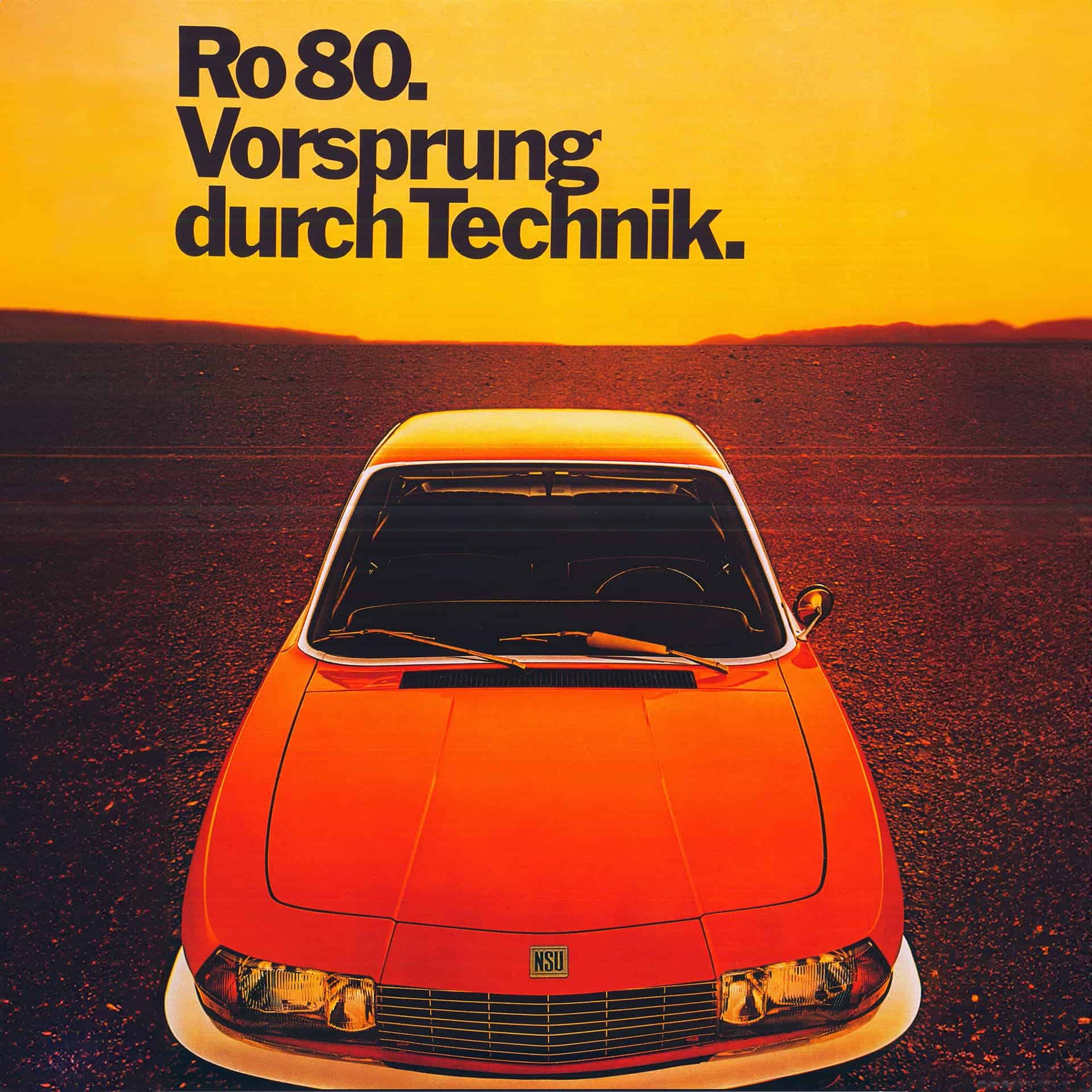
From early race victories to futuristic advances like virtual cockpits, e-tron EV platforms, and hybrid performance models, Audi has never stopped evolving. The brand’s philosophy—Vorsprung durch Technik or progress through technology—remains more than a slogan. It is a core identity established over more than a century of engineering breakthroughs.
What began with one man’s vision has grown into a global symbol of innovation, elegance, and performance. Audi’s history isn’t simply a timeline—it’s a legacy of ideas that changed the way the world drives.
And if the history of Audi is any indication, Audi’s next chapter may be its most exciting yet.
Searching for a new addition to your performance garage? Visit West Coast Dream Machines to view our exquisite collection of luxury and exotic motorcars.